Wheel Excavators for Sale

Browse 3 Wheel Excavators machines on Machmon. Compare by model, location, and condition, then contact sellers using the enquiry options provided.
3 Classified ads

  • Add to favoritesRemove from favorites
    2018 Caterpillar MH3026-06 Wheel Excavator

    You have hidden this ad
    2018 Caterpillar MH3026-06 Wheel Excavator

    Used 2018 5,358 h 29 t
    Saint-Denis, France
     145,000
    Bergerat USED
  • Add to favoritesRemove from favorites
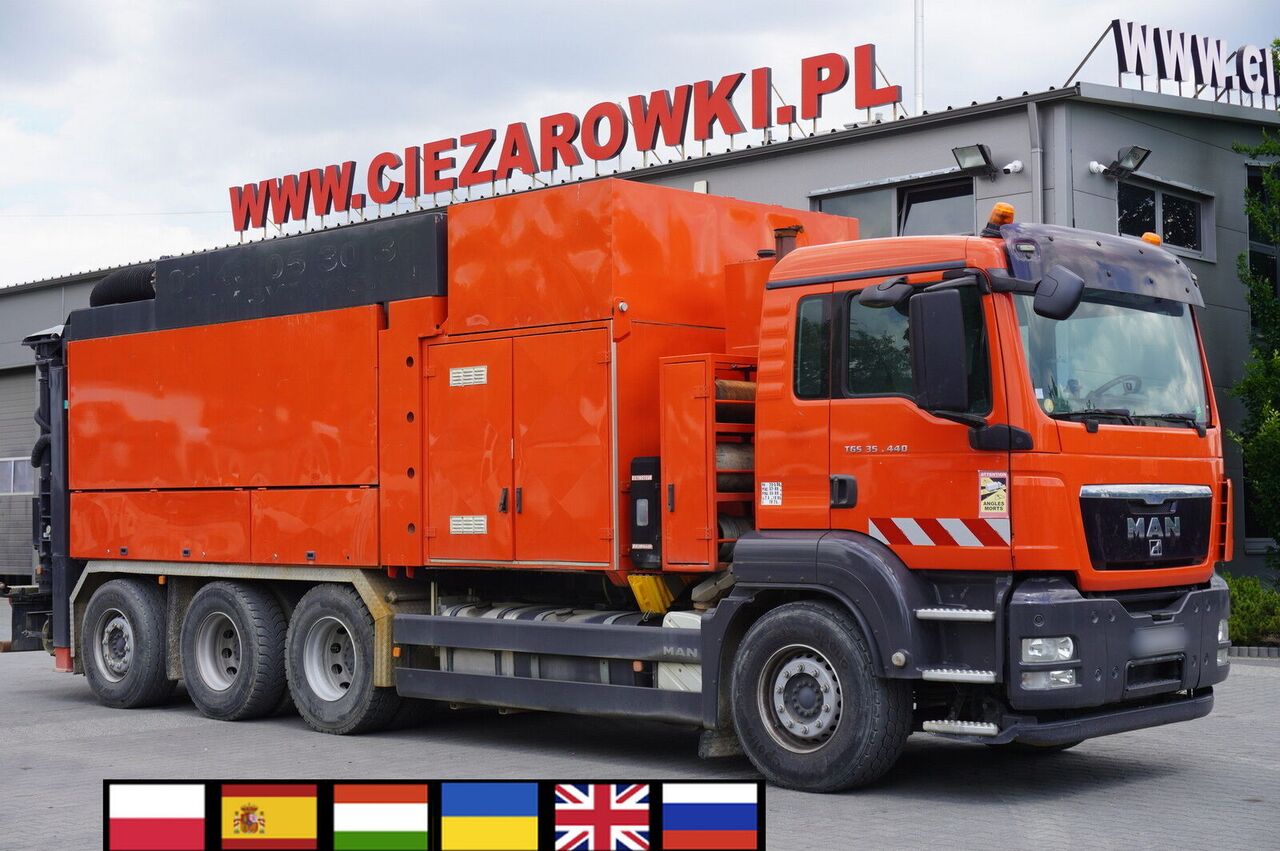
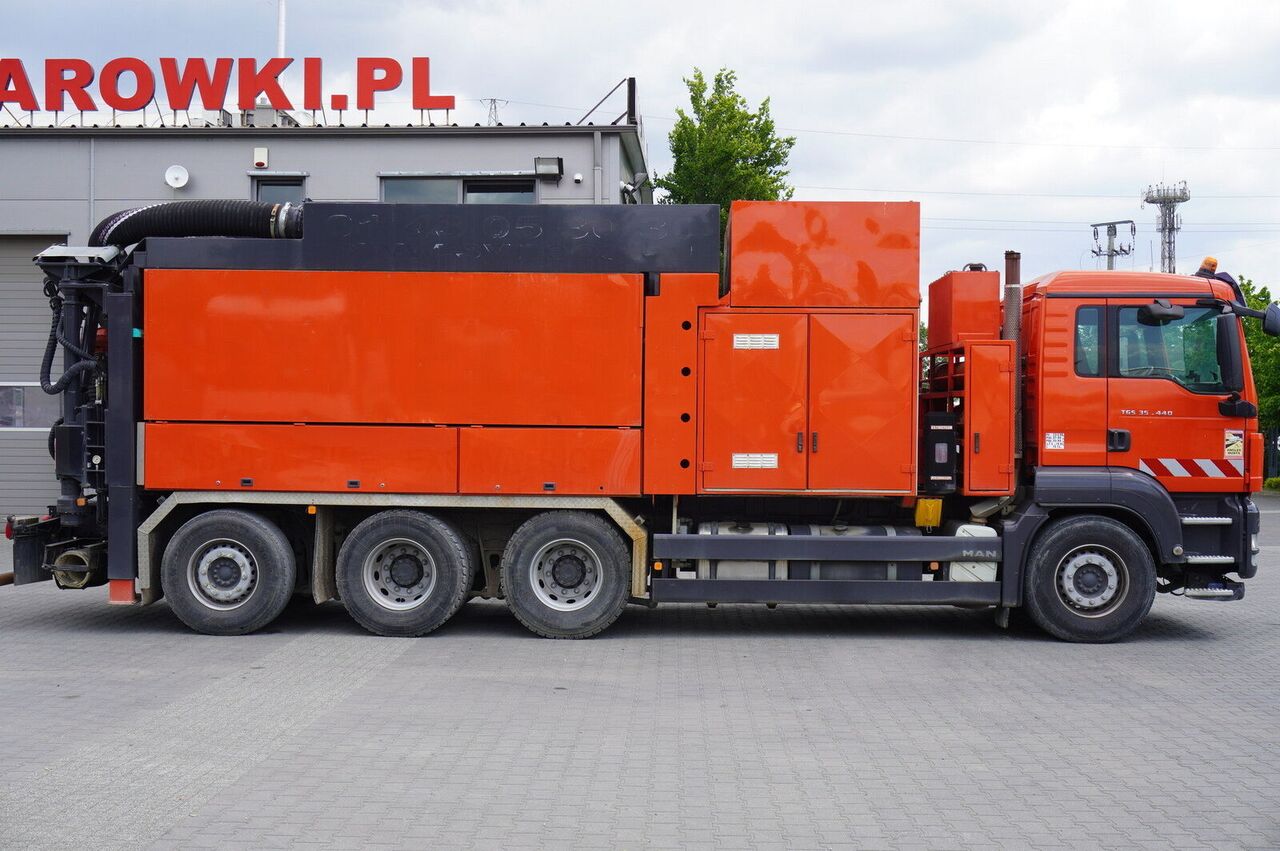
    2012 MAN TGS Wheel Excavator
    You have hidden this ad
    2012 MAN TGS Wheel Excavator
    Used 2012 3,900 h 35 t 328.1 kW
    Beli Manastir, Croatia
     94,000
    Laslo Truck
  • Add to favoritesRemove from favorites
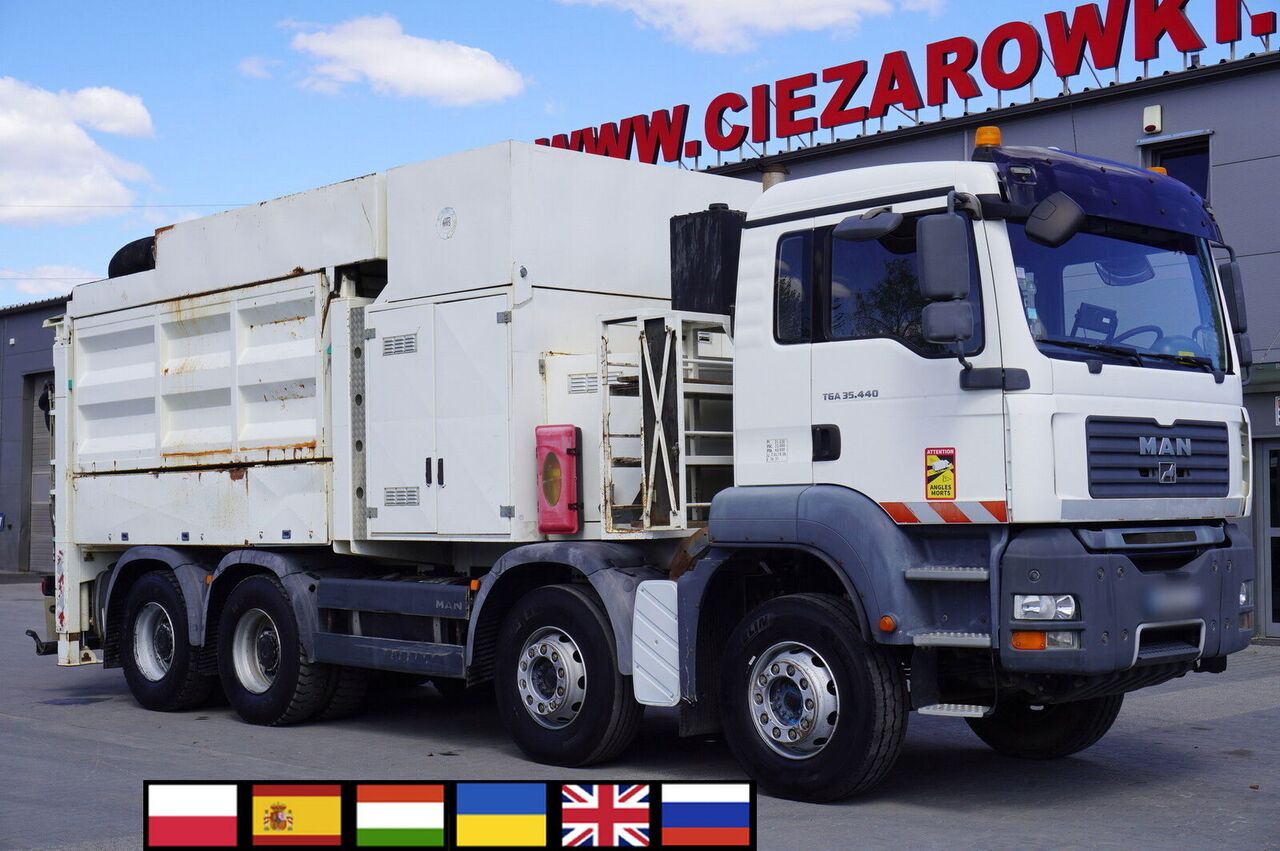
    2008 MAN TGA Wheel Excavator
    You have hidden this ad
    2008 MAN TGA Wheel Excavator
    Used 2008 5,700 h 35 t 328.1 kW
    Beli Manastir, Croatia
     60,100
    Laslo Truck
Buying guide

Wheel excavators

Wheeled excavators, roughly 10 to 25 tonnes, dig and travel on their own tyres between sites, the pick for urban civils, roadside work and utility jobs that hop locations in a day. Understand the class below, then compare the live stock by make, year, hours and price.

In stock1,128 machines821 show a price
Typical price€15,000 - €102,900half sell under €43,366
Years1970 to 2026New and used
Mostly located inGermany · Netherlands · China
Operating weight10.4 to 20.6 ttypical range
Engine power66 to 129 kWtypical range
Engine hours992 to 14,278 htypical range

Prices for Wheel excavators

1999 Zeppelin ZM 100 Wheel Excavator1999 · 8,500 h€15,000
2010 Terex TW110 Wheel Excavator2010 · 16,000 h€29,500
2017 Liebherr A 914 Wheel Excavator2017 · 8,900 h€69,001
2013 Atlas 1404 ZW Wheel Excavator2013 · 5,900 h€102,900

Choosing the right type

Outrigger and blade setupRear outriggers plus a front dozer blade give a stable four-point stance for digging; some carriers add a second rear blade instead of outriggers for faster repositioning.
Boom configurationA two-piece (knuckle) boom lets the dipper work close to the machine over kerbs and walls; a mono boom trades that reach flexibility for simpler hydraulics and slightly more digging force.
Roading capabilityOn-board travel speed, axle suspension and a road-legal lighting kit determine whether the machine can move between sites under its own power or needs a trailer.
Tyre and axle setupSingle or dual rear wheels change flotation and stability; steer, rigid or all-wheel-drive axle options suit different ground and site-access conditions.
Weight classAround 10 to 14 t suits tighter urban and utility work, 15 to 19 t is the general civils range, 20 to 25 t moves into heavier groundworks and pipe-laying.

What to check before buying

Tyres and axlesCheck tread depth, sidewall condition and axle play; tyres are a major running cost and uneven wear can point to alignment or suspension faults.
Outriggers and bladeCycle the outriggers and blade for smooth, leak-free operation and check the pads and blade edge for wear consistent with the stated hours.
Road-registration readinessConfirm lighting, mirrors, mudguards and axle load ratings meet road-use rules in the country of use before assuming the machine can travel on its own wheels.
Hydraulics and couplerInspect cylinders, hoses and the quick coupler for leaks and play; a hydraulic coupler and attachment set change the machine's day-one usefulness.

Common questions

Wheeled or tracked excavator?

Wheeled machines travel between sites on hard surfaces without a low-loader, which suits urban and utility work with frequent moves. Tracked machines grip and spread weight better on soft or uneven ground and stay the default for heavier digging.

Can a wheeled excavator drive on the road?

Only if it meets the road-registration rules of the country it works in, covering lighting, axle loads and speed. Rules vary by market, so confirm local requirements rather than assuming road use is automatic.

What size class do I need?

10 to 14 t suits tighter urban and utility jobs, 15 to 19 t covers general civils work, and 20 to 25 t handles heavier groundworks and pipe-laying where more digging force and reach are needed.

Two-piece or mono boom?

A two-piece boom folds close to the machine, useful for working near walls, kerbs and other obstacles. A mono boom is simpler and often gives slightly more breakout force for open-ground digging.