
Draglines for Sale
Browse 2 Draglines machines on Machmon. Compare by model, location, and condition, then contact sellers using the enquiry options provided.
- 1992 Weserhütte SW141BH Dragline

 You have hidden this ad1992 Weserhütte SW141BH DraglineMetten, GermanyPrice on request
 Bosch-Baumaschinen
 - 1996 Liebherr 832 DraglineYou have hidden this ad1996 Liebherr 832 DraglineDiemelstadt, Germany€ 128,000
 Bellon Baumaschinen


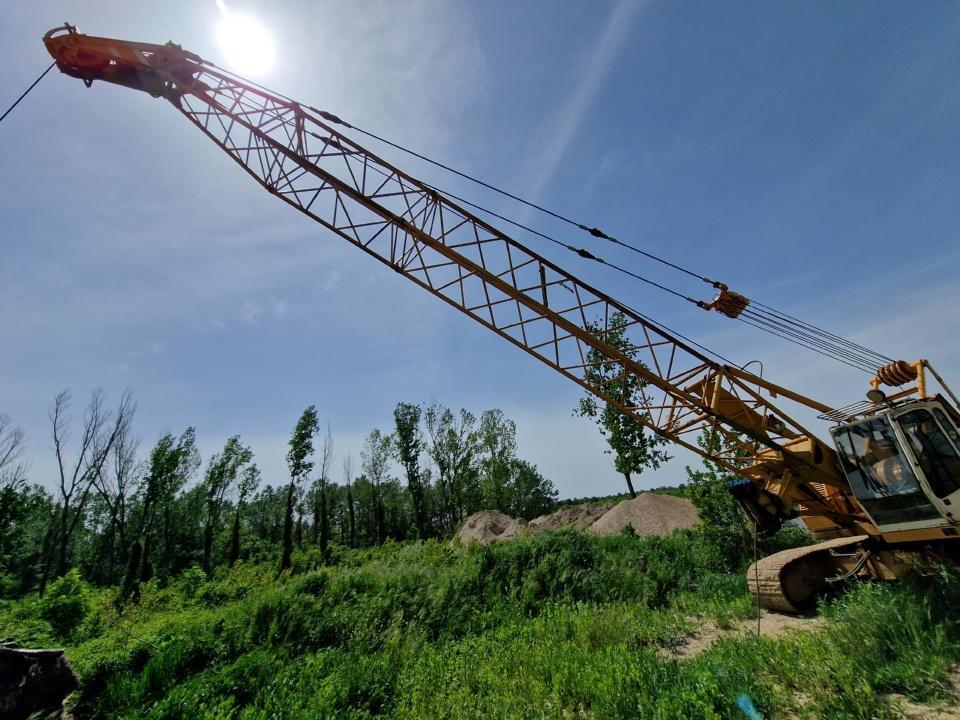
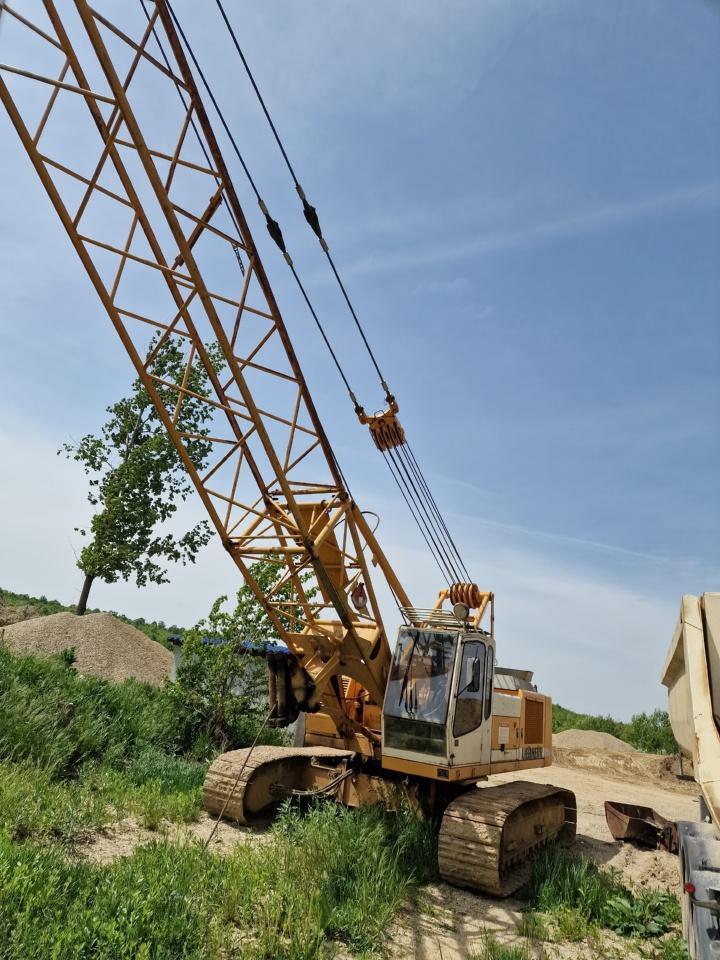
In stock19 machines3 show a price
Years1972 to 2016New and used
Mostly located inGermany · Romania · Netherlands
Operating weight30 to 50 ttypical range
Find by make
Choosing the right type
Crawler dragline vs hydraulic excavator with dragline bucketA dedicated crawler dragline suits sustained deep, wide-reach digging; a hydraulic excavator rigged with a dragline bucket covers occasional or smaller-scale below-grade work without a specialist rig.
Boom length and bucket size pairingA longer boom extends reach and dig depth but caps the bucket size the rig can swing safely; shorter booms allow a heavier bucket and faster cycles at reduced reach.
Duty-cycle rigsThe same crawler base often swaps between a dragline bucket and a grab or clamshell attachment, so the winch and boom are sized for repeated heavy-cycle work, not just casting and hauling.
Mechanical vs hydraulic winch driveA mechanical winch drive is simple and rugged for continuous casting cycles; a hydraulic winch drive gives finer control and easier fault diagnosis but adds hydraulic system upkeep.
What to check before buying
Rope conditionInspect hoist and drag ropes for broken wires, flattening, kinks and corrosion; worn rope is a routine wear cost but a sign of neglect if paired with other deferred maintenance.
Fairlead and drum wearCheck fairlead rollers and winch drums for grooving, uneven wear and bearing play, since rope life and casting accuracy both depend on smooth, true running surfaces.
Lattice boom straightness and chord damageSight down the boom for bends or twist, and inspect chords and lacing for cracks, corrosion and prior repairs; a straightened or patched boom needs a proper structural assessment.
Clutch or brake and winch conditionTest hoist and drag clutches or brakes for smooth, positive engagement without slip or grab, and confirm the winch gearing runs quietly with no excessive backlash.
Common questions
When does a dragline beat a hydraulic excavator?
Draglines win when material sits below grade or underwater and reach matters more than cycle speed, such as pond and canal work, aggregates dredging and deep bulk excavation a hydraulic boom cannot reach.
How does boom length affect bucket choice?
Longer booms trade bucket capacity for reach and depth, so a rig set up for maximum reach typically carries a smaller bucket than the same machine fitted with a shorter boom.
Can one rig do dragline and grab work?
Yes, many duty-cycle crawler bases switch between a dragline bucket and a grab or clamshell attachment, provided the winch, boom and rigging are rated for the heavier cycle loads that grab work brings.