Bagger zum Verkauf

Browse 1,054 Bagger machines on Machmon. Compare by model, location, and condition, then contact sellers using the enquiry options provided.
1,054 Kleinanzeigen

  • Zu Favoriten hinzufügenAus Favoriten entfernen
    2024 Hitachi ZX95USB-7 Crawler Excavator

    Sie haben diese Anzeige ausgeblendet
    2024 Hitachi ZX95USB-7 Crawler Excavator

    Gebraucht 2024 236 h 9.3 t 51.5 kW
    Perpignan, Frankreich
    Preis auf Anfrage
    SYLTRAILER/ RAMASSOT
  • Zu Favoriten hinzufügenAus Favoriten entfernen
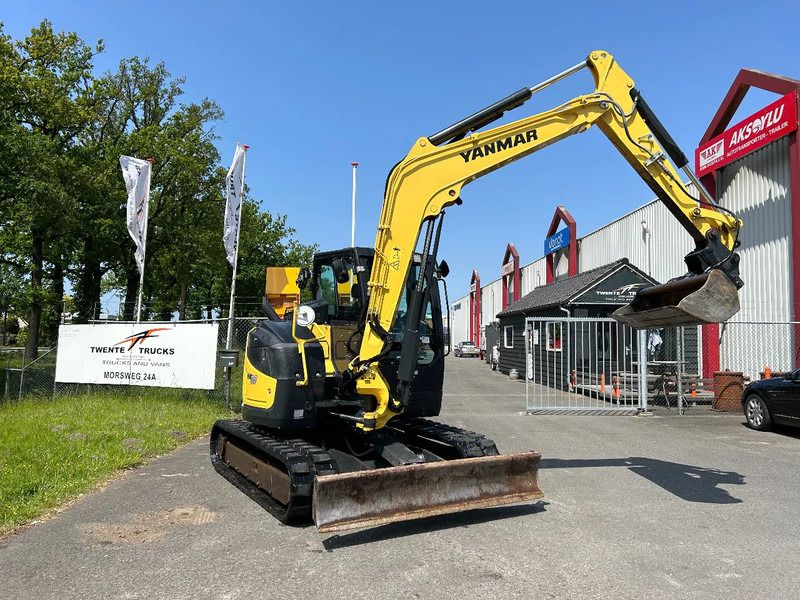
    2019 Yanmar VI 080 Mini-Bagger
    Sie haben diese Anzeige ausgeblendet
    2019 Yanmar VI 080 Mini-Bagger
    Gebraucht 2019 1,655 h 8.1 t 39.5 kW
    Rijssen, Niederlande
     49,750 zzgl. MwSt.
    Twente Trucks
  • Zu Favoriten hinzufügenAus Favoriten entfernen
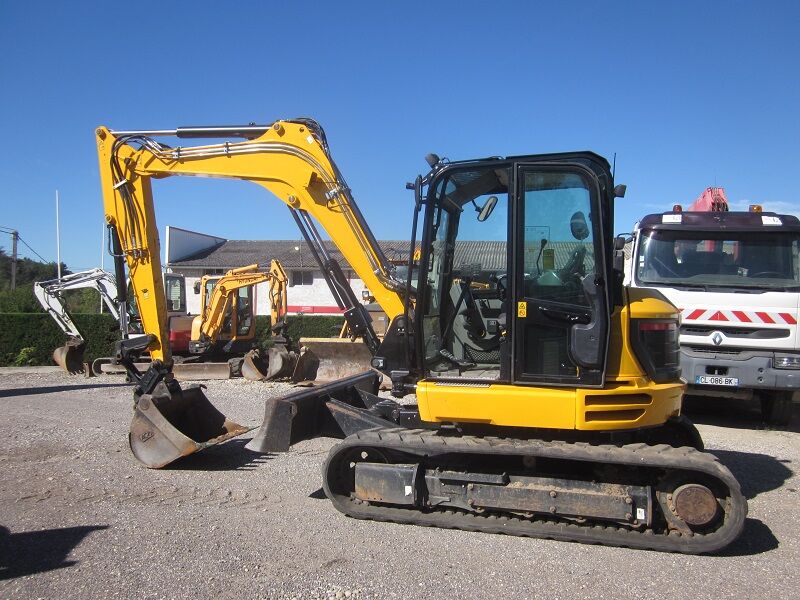
    2019 JCB 90Z-2 Mini Excavator
    Sie haben diese Anzeige ausgeblendet
    2019 JCB 90Z-2 Mini Excavator
    Gebraucht 2019 1,418 h 9 t
    Chaponost, Frankreich
    Preis auf Anfrage
    SASU A.V.M. - ACHAT VENTE MATERIELS
  • Zu Favoriten hinzufügenAus Favoriten entfernen
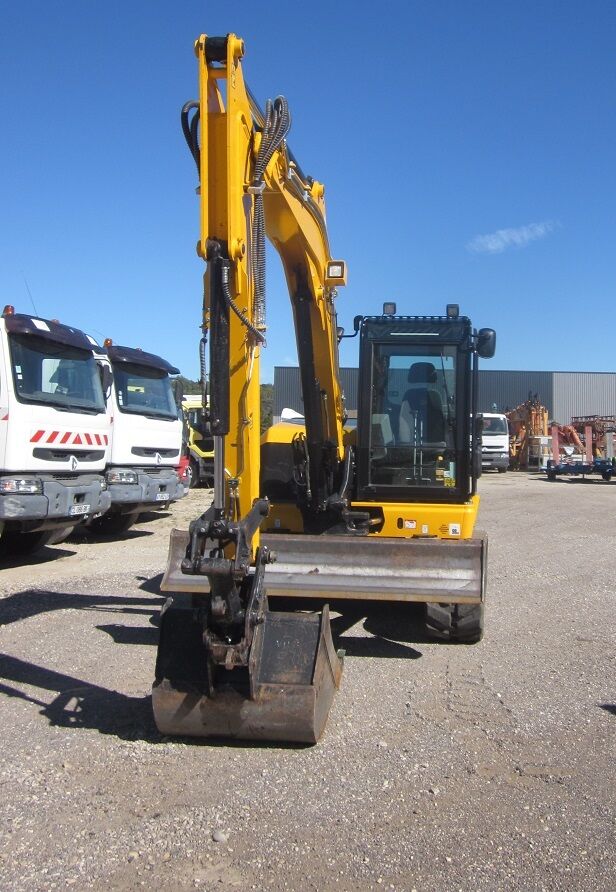
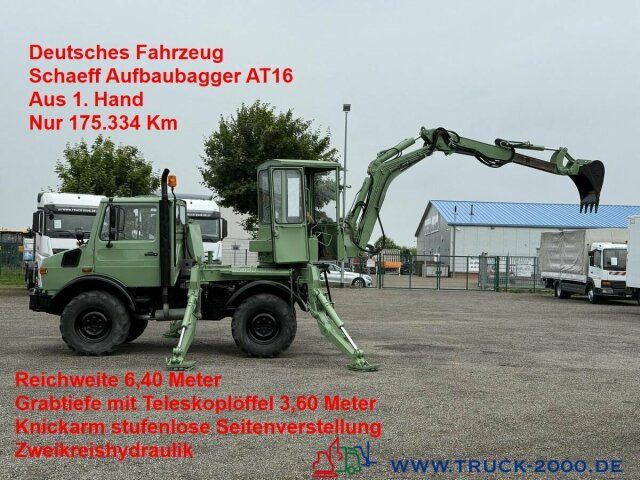
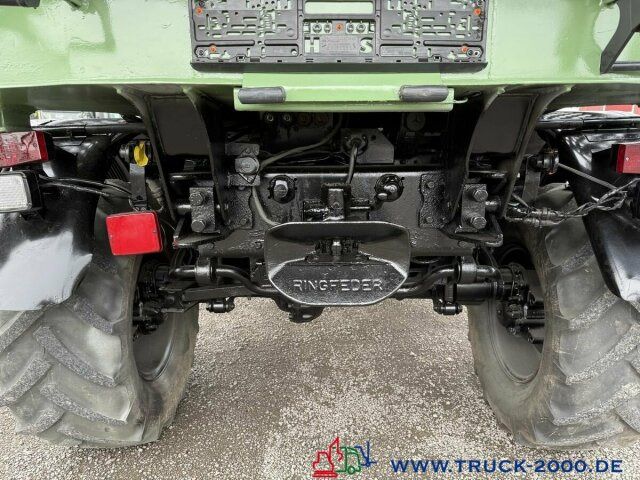
    1996 Unimog AT16 Radbagger
    Sie haben diese Anzeige ausgeblendet
    1996 Unimog AT16 Radbagger
    Gebraucht 1996 7.5 t 100.7 kW
    Sottrum, Deutschland
     49,900 zzgl. MwSt.
    Nutzfahrzeuge 2000 GmbH
Buying guide

Bagger

Excavators span sub-tonne minis to large mining-class machines, covering digging, trenching, demolition, material handling and site clearance. The right pick depends on site access, ground conditions and the attachments the job needs. Compare the live stock below by type, size, hours and price once you know which sub-class fits.

Auf Lager13,557 Maschinen20,879 show a price
Typical price€10,638 - €78,408half sell under €26,004
Baujahre1970 bis 2026Neu und gebraucht
Mostly located inChina · Deutschland · Niederlande

Choosing the right type

Crawler vs wheeledTracked machines grip soft or uneven ground and suit static dig work; wheeled excavators drive between sites on hard surfaces without a low-loader.
Compact vs full-sizeMini and midi excavators (roughly 1 to 10 t) work tight, access-limited sites; full-size machines dig deeper, lift more and move more material per cycle.
Demolition and long-reachHigh-reach demolition machines carry extended booms and reinforced cabs for building teardown; long-reach models trade breakout force for extended dig and reach depth in canals, dredging and deep excavation.
Material handlersRaised-cab, wheeled or tracked machines built for sorting, loading and scrap or waste handling rather than digging.
Specialist classesAmphibious and swamp excavators work wetlands and soft terrain; walking excavators (spider machines) climb slopes and work in confined or uneven ground.

What to check before buying

Undercarriage or tyresTracks, sprockets and rollers on crawler machines, or tyre condition and axle wear on wheeled ones, are the largest running-gear cost to budget for.
Hours vs conditionCompare the hour meter against wear on pins, bushings, boom seals and cab condition rather than treating hours alone as a value guide.
Hydraulics and attachmentsCheck hydraulic quick couplers, auxiliary lines and cylinder seals; the fitted attachment set changes both day-one usefulness and resale value.
Service historyA documented maintenance and repair record is the clearest signal of how a machine was actually run and looked after.

Common questions

How do I choose between crawler and wheeled?

Crawlers suit soft ground, static digging and maximum stability; wheeled excavators suit urban and utility work where the machine needs to relocate quickly along roads between jobs.

What size class covers most general work?

Midi to standard machines in the 10 to 30 tonne range cover most groundworks, trenching and foundation jobs. Go smaller for access-limited sites, larger for high-volume earthmoving or quarry work.

When does a specialist type make sense over a standard excavator?

Choose a specialist class when the site itself rules out a standard machine: wetlands and soft ground call for amphibious or swamp tracks, steep or uneven terrain calls for a walking excavator, and tall structures call for high-reach demolition rigs.

What separates a material handler from a standard excavator?

Material handlers use a raised cab for visibility over a load, a different hydraulic setup tuned for grabs and shears, and often a wheeled undercarriage, since they sort and load rather than dig.